website
bone plate

The application scope of tricalcium phosphate orthopedic implants

Diverse Applications of Tricalcium Phosphate in Orthopedic Implants: From Bone Regeneration to Load-Bearing Solutions Tricalcium phosphate (TCP), a bioceramic material with chemical similarities to the mineral phase of bone, has emerged as a versatile solution in orthopedic and dental surgery. Its biocompatibility, osteoconductivity, and ability to degrade gradually in the body make it ideal for …

The application scope of tricalcium phosphate orthopedic implants Read More »
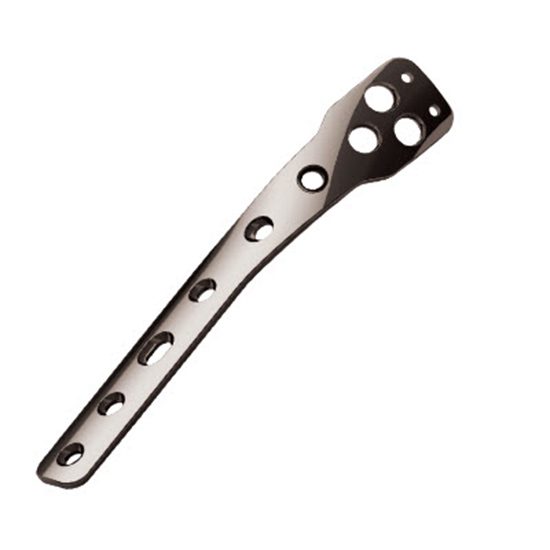
bone plate

The effect of hydroxyapatite coated implants

Enhanced Osseointegration and Long-Term Stability: The Role of Hydroxyapatite Coatings in Orthopedic Implants Hydroxyapatite (HA), a calcium phosphate mineral with a chemical composition similar to natural bone, has become a cornerstone in improving the performance of orthopedic and dental implants. When applied as a coating on metallic or ceramic substrates, HA creates a bioactive interface …

The effect of hydroxyapatite coated implants Read More »

bone plate

Performance of carbon fiber reinforced composite material implants

Performance Characteristics of Carbon Fiber-Reinforced Composite Implants: Lightweight Strength, Biomechanical Adaptability, and Long-Term Durability Carbon fiber-reinforced composites (CFRCs) have emerged as a transformative material in orthopedic implant design, combining high strength-to-weight ratios with customizable mechanical properties. Unlike traditional metallic or polymeric implants, CFRCs leverage the anisotropic behavior of carbon fibers to mimic the directional stiffness …

Performance of carbon fiber reinforced composite material implants Read More »

bone plate

The role of bio-glass orthopedic implants

The Role of Bioactive Glass in Orthopedic Implants: Bone Regeneration, Biocompatibility, and Therapeutic Potential Bioactive glass, a synthetic material composed of silicon dioxide (SiO₂), calcium oxide (CaO), sodium oxide (Na₂O), and phosphorus pentoxide (P₂O₅), has emerged as a revolutionary component in orthopedic implants due to its unique ability to bond with bone and stimulate tissue …

The role of bio-glass orthopedic implants Read More »

bone plate

The advantages of zirconia ceramic orthopedic implants

Advantages of Zirconia Ceramics in Orthopedic Implants: Strength, Biocompatibility, and Adaptability Zirconia ceramics, derived from zirconium dioxide (ZrO₂), have gained significant attention in orthopedic surgery due to their exceptional mechanical properties and biological performance. Unlike traditional metallic implants, zirconia offers a unique combination of high fracture toughness, low wear rates, and excellent biocompatibility, making it …

The advantages of zirconia ceramic orthopedic implants Read More »

bone plate

The characteristics of alumina ceramic orthopedic implants

Key Characteristics of Alumina Ceramics in Orthopedic Implants: Durability, Biocompatibility, and Clinical Performance Oxidized aluminum ceramics, commonly referred to as alumina (Al₂O₃) ceramics, have emerged as a preferred material for orthopedic implants due to their exceptional mechanical properties and biological inertness. Widely used in joint replacements, spinal fusion devices, and dental prosthetics, alumina ceramics address …

The characteristics of alumina ceramic orthopedic implants Read More »

bone plate

The degradability of polylactic acid (PLA) orthopedic implants

Degradation Characteristics of Poly(lactic acid) (PLA) in Orthopedic Implants: Mechanisms and Clinical Implications Poly(lactic acid) (PLA), a biodegradable polymer derived from renewable resources, has gained prominence in orthopedic surgery for its ability to gradually resorb within the body, eliminating the need for secondary removal procedures. Unlike permanent metallic implants, PLA’s degradation profile can be tailored …

The degradability of polylactic acid (PLA) orthopedic implants Read More »

bone plate

The uses of polymethyl methacrylate (PMMA) implants

Poly(methyl methacrylate) (PMMA) in Orthopedic and Medical Implants: Diverse Applications and Clinical Relevance Poly(methyl methacrylate) (PMMA), commonly known as acrylic bone cement, has been a cornerstone of orthopedic surgery for decades due to its unique combination of biocompatibility, mechanical stability, and versatility. Originally developed for joint arthroplasty, PMMA’s applications have expanded into craniofacial reconstruction, vertebroplasty, …

The uses of polymethyl methacrylate (PMMA) implants Read More »

bone plate

Characteristics of polyetheretherketone (PEEK) orthopedic implants

Polyetheretherketone (PEEK) in Orthopedic Implants: Unveiling Its Unique Material Characteristics Polyetheretherketone (PEEK) has gained significant attention in orthopedic surgery due to its distinctive combination of mechanical, biological, and radiological properties. As a high-performance thermoplastic polymer, PEEK offers a compelling alternative to traditional metallic implants, particularly in applications requiring biomechanical compatibility and imaging clarity. Below, we …

Characteristics of polyetheretherketone (PEEK) orthopedic implants Read More »

bone plate

The application of cobalt-chromium alloy orthopedic implants

Cobalt-Chromium Alloys in Orthopedic Implants: Key Applications and Clinical Considerations Cobalt-chromium (Co-Cr) alloys have emerged as a critical material in orthopedic surgery due to their exceptional combination of strength, wear resistance, and biocompatibility. These properties make them particularly suitable for long-term implants subjected to high mechanical stress, such as joint replacements and spinal devices. Below, …

The application of cobalt-chromium alloy orthopedic implants Read More »

Scroll to Top